March 2026
First step in a long journey.
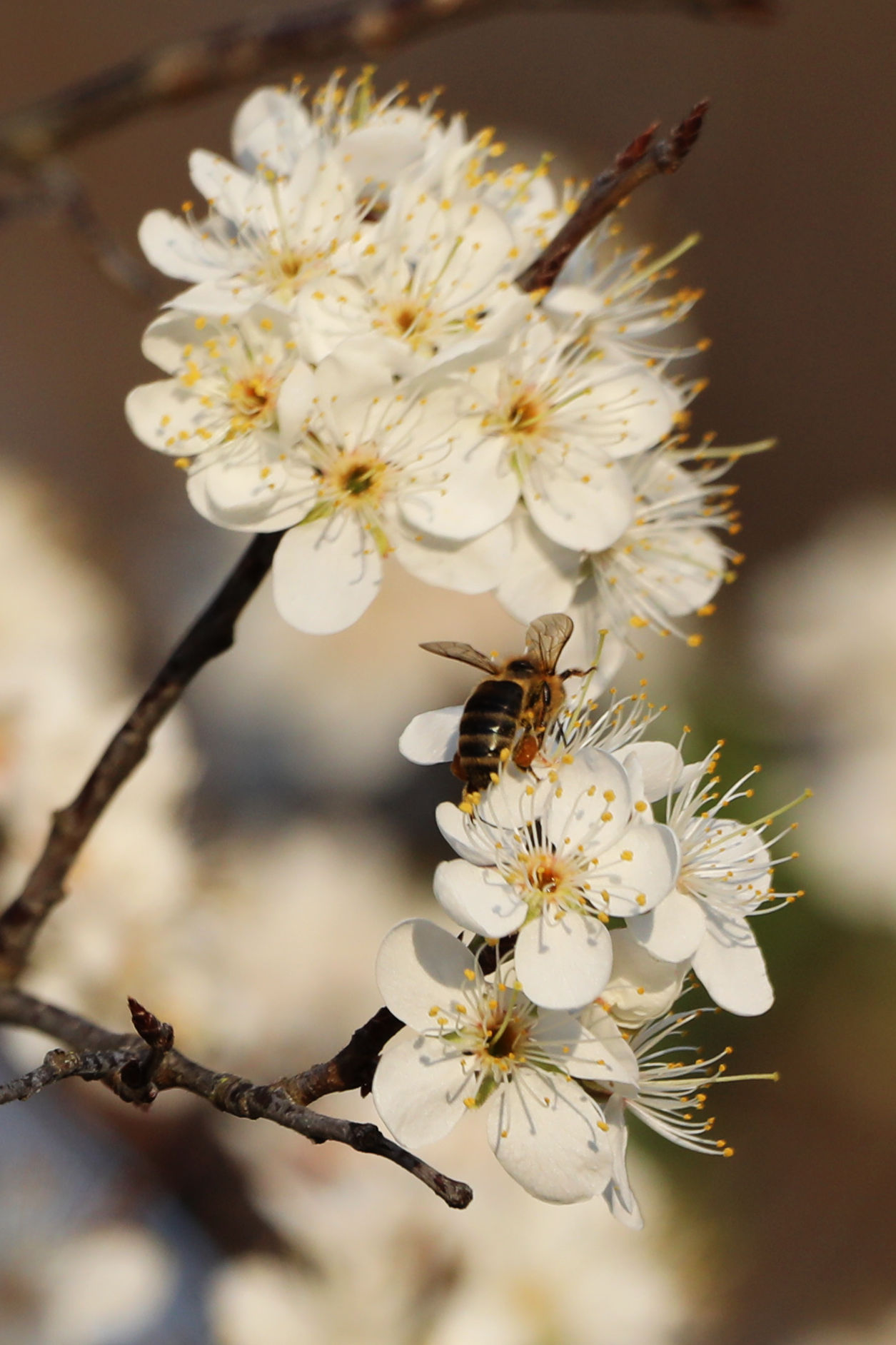
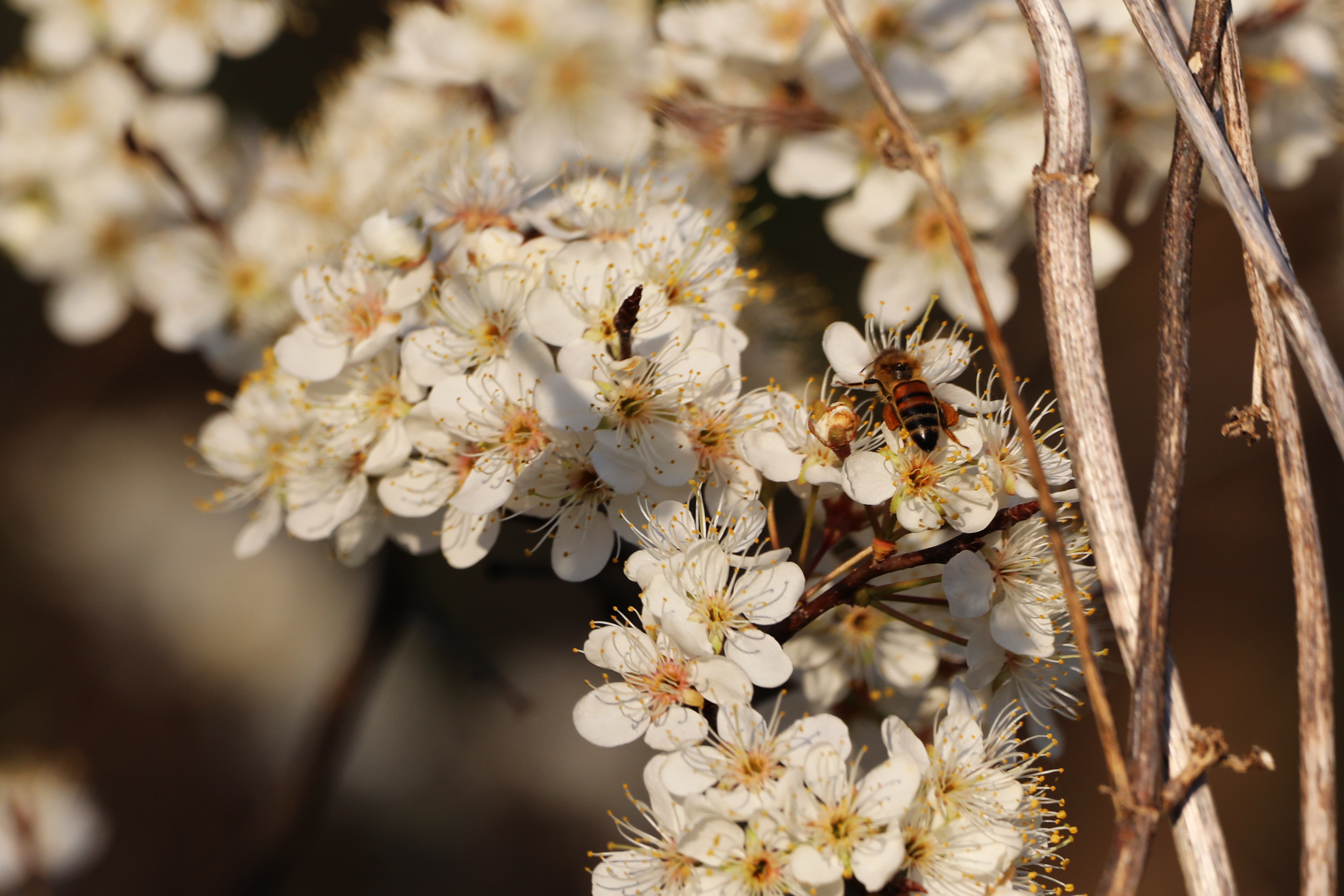
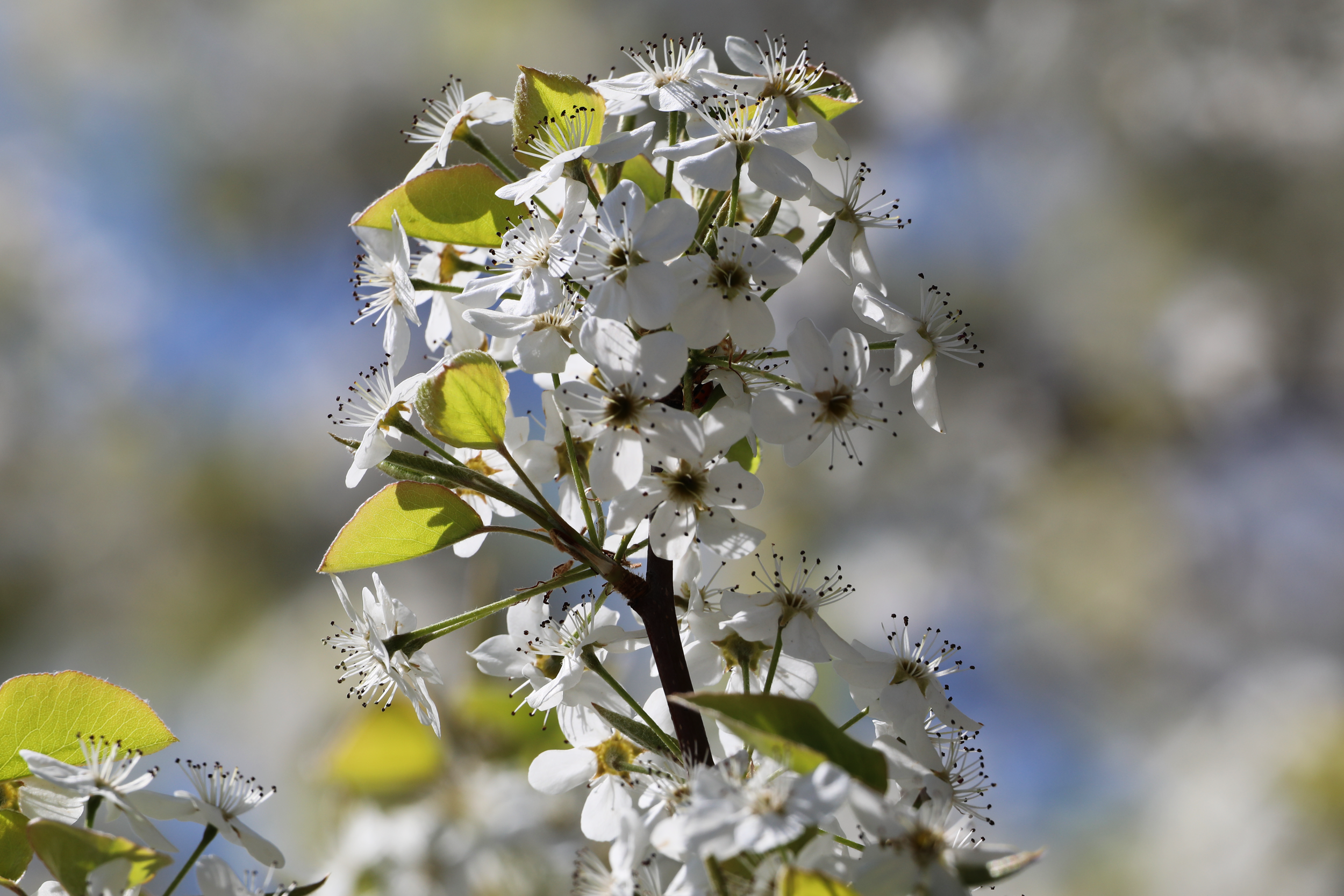
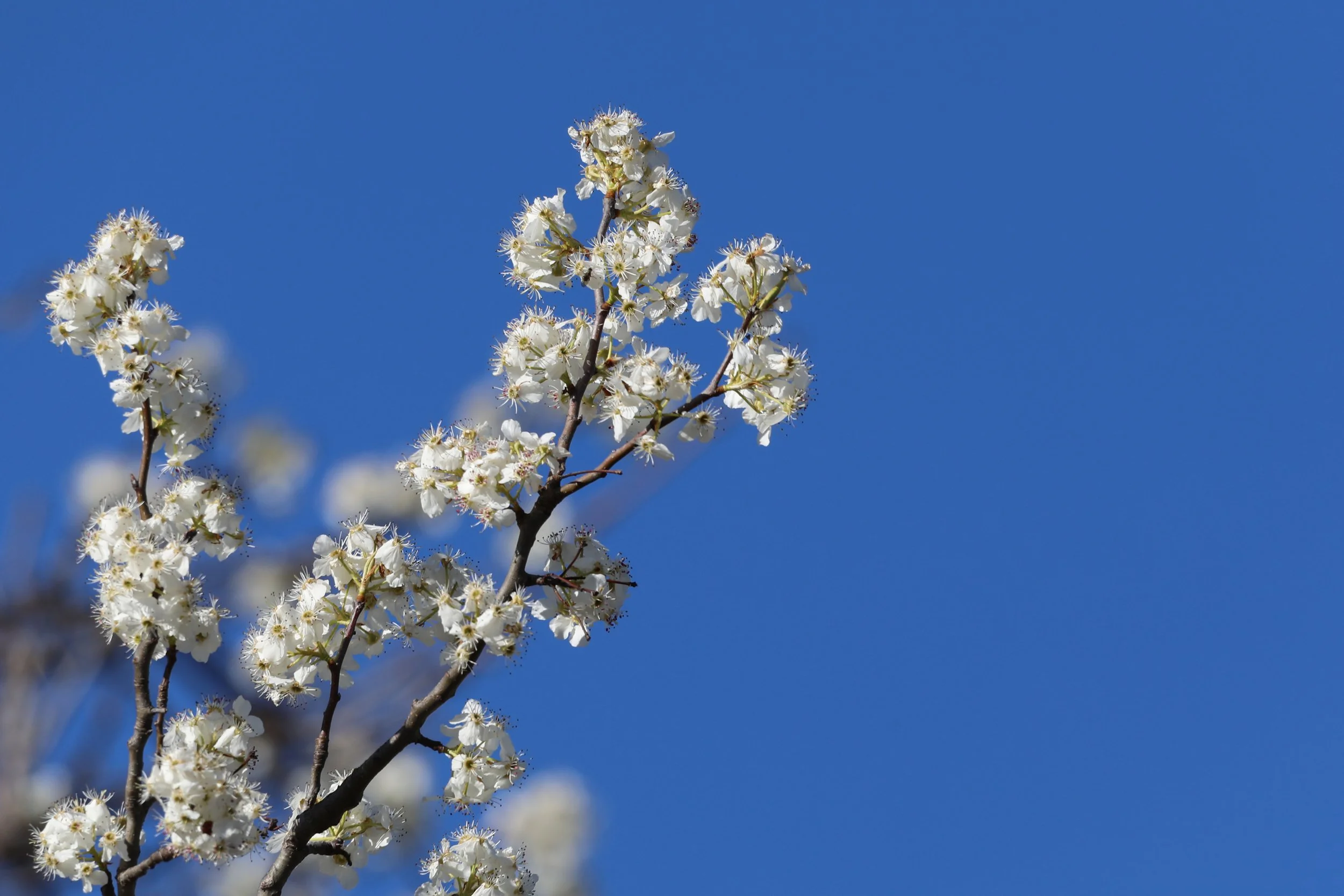
Callery Pear - Pyrus calleryana
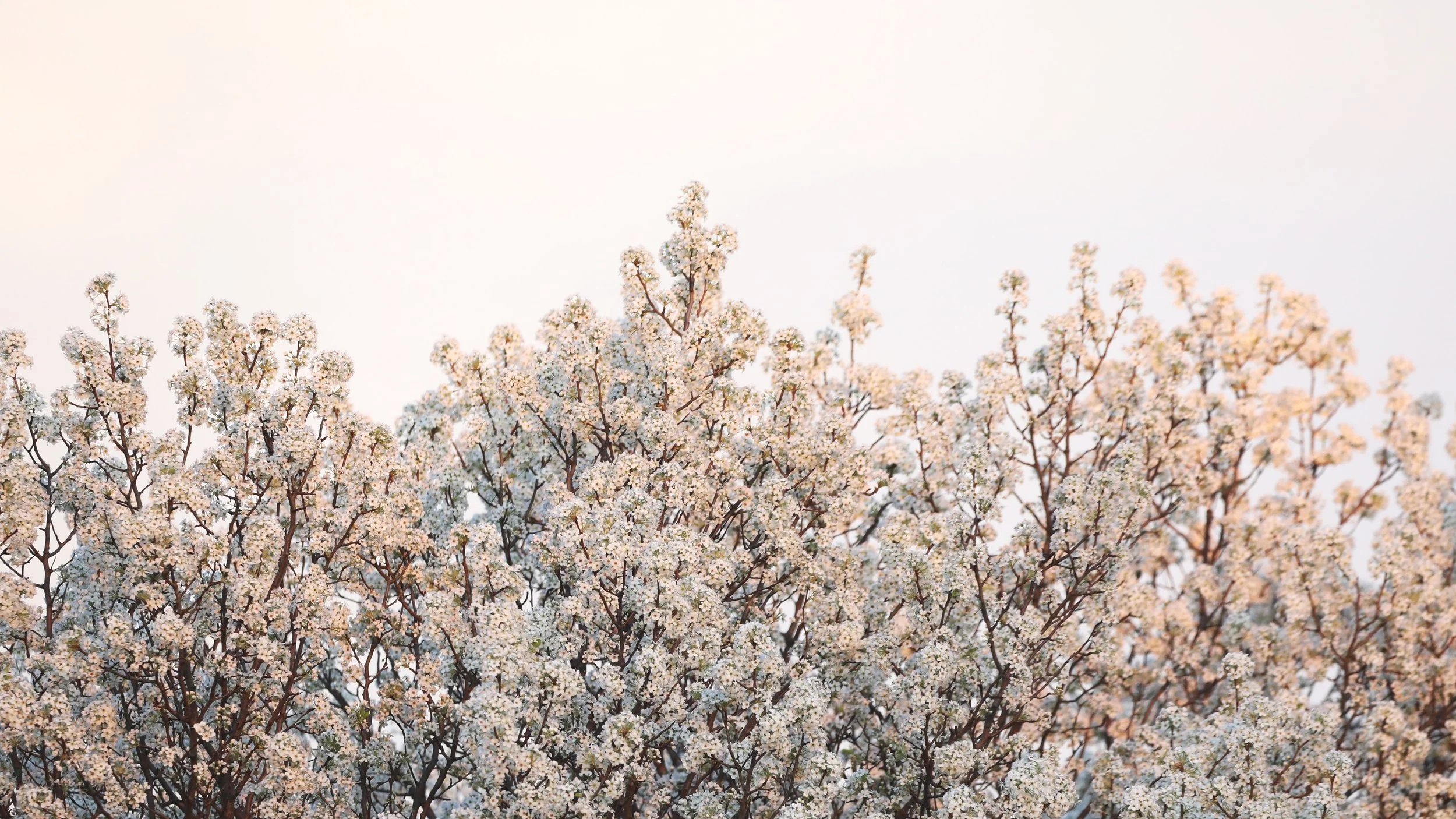
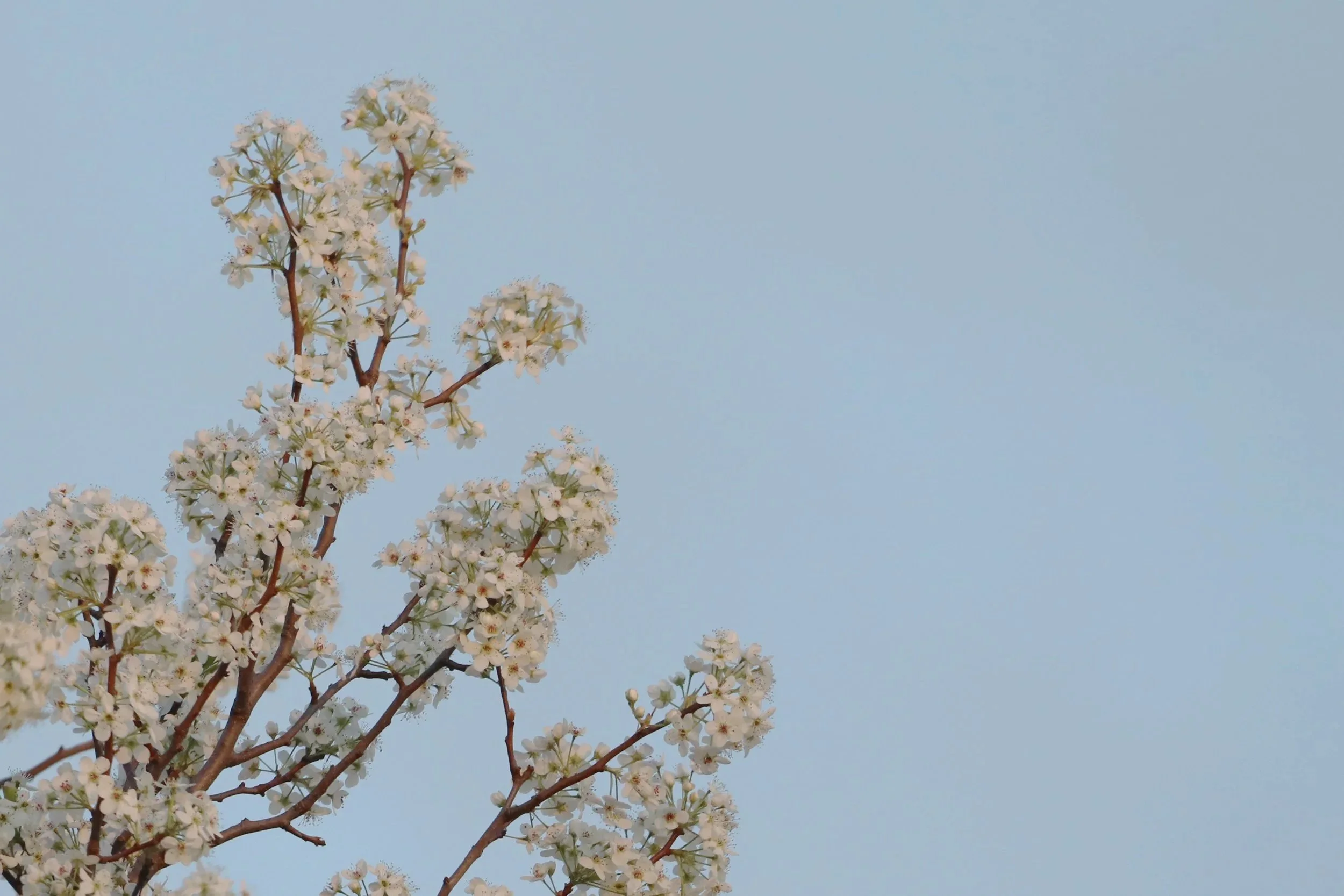
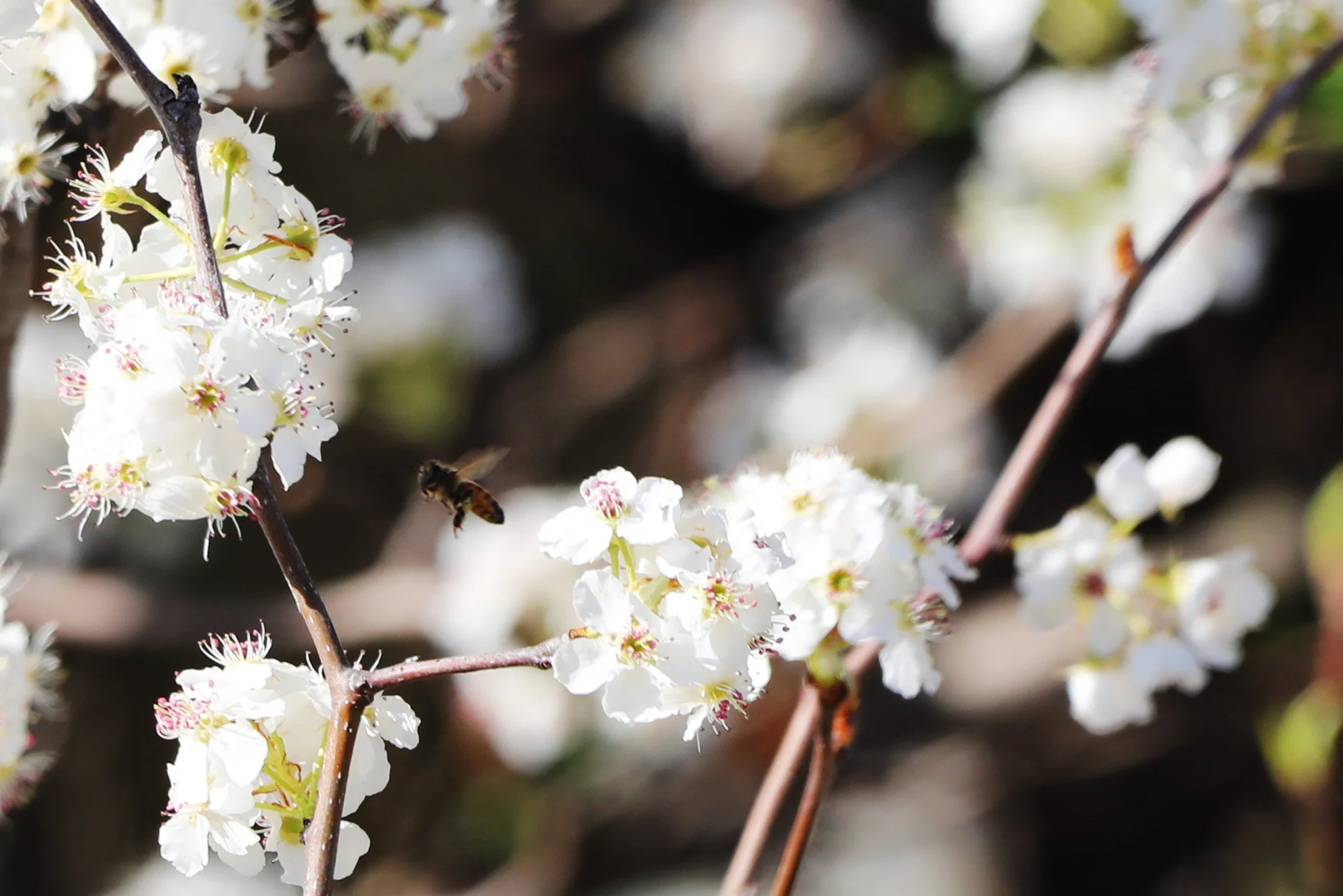
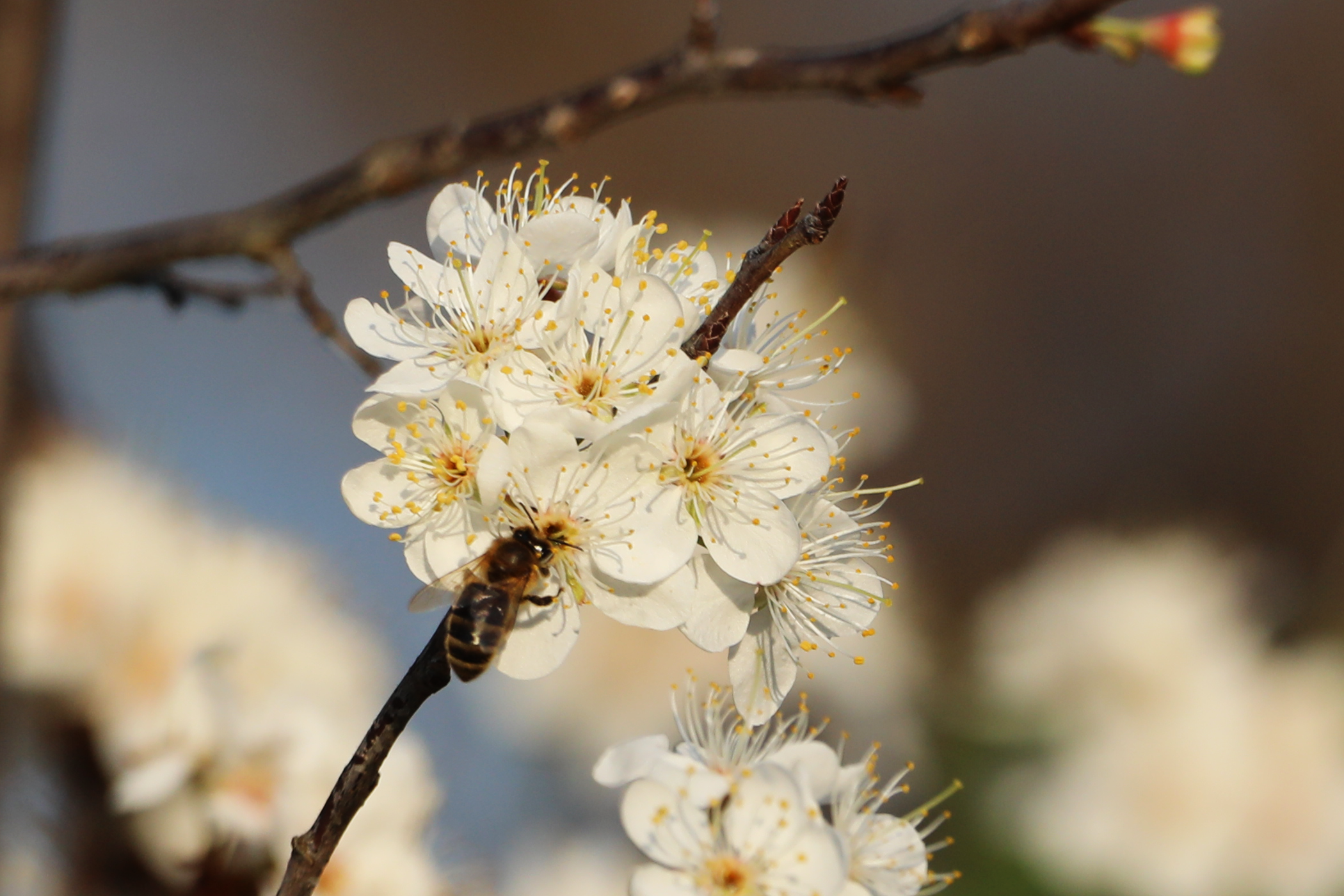
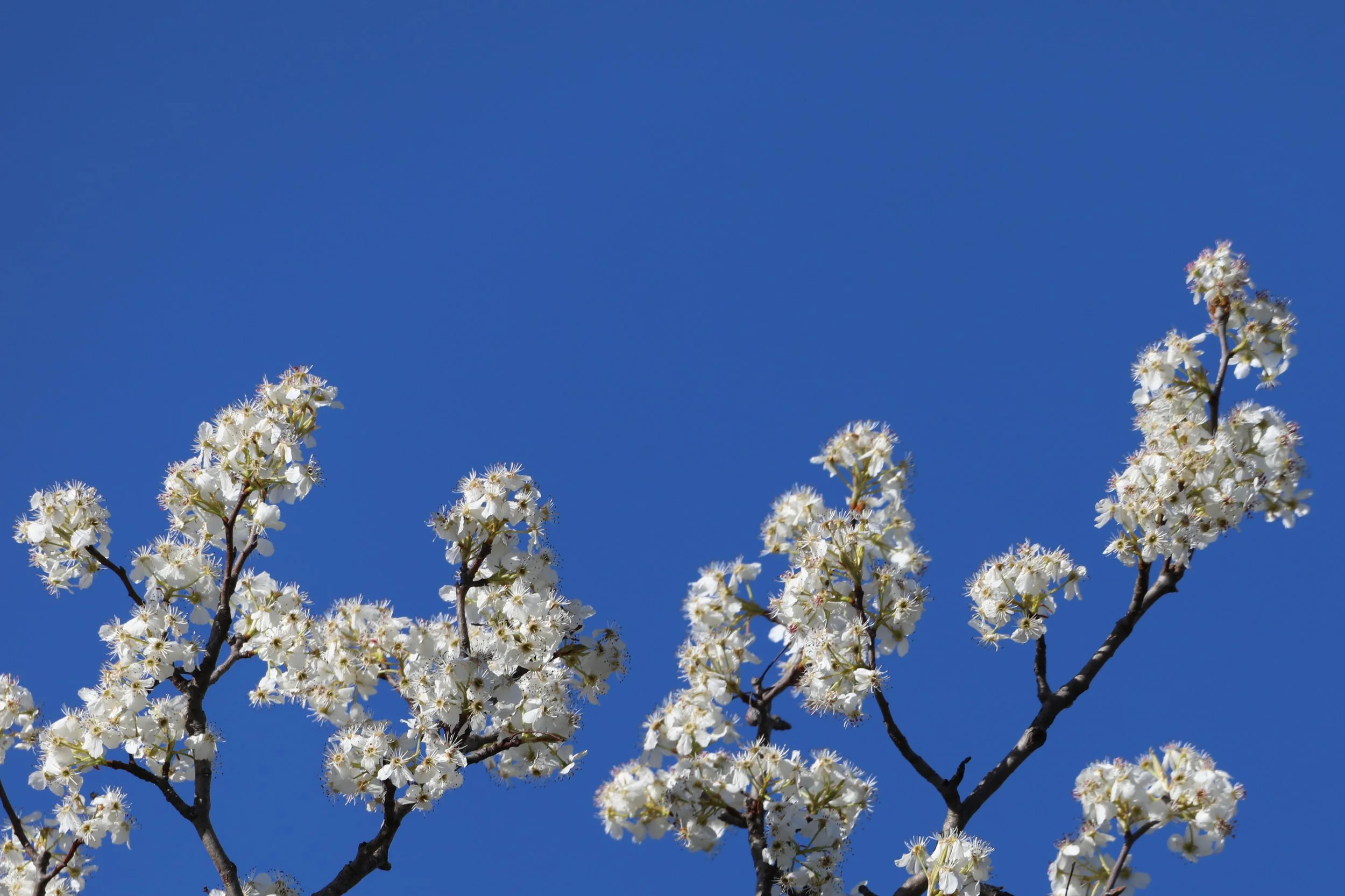
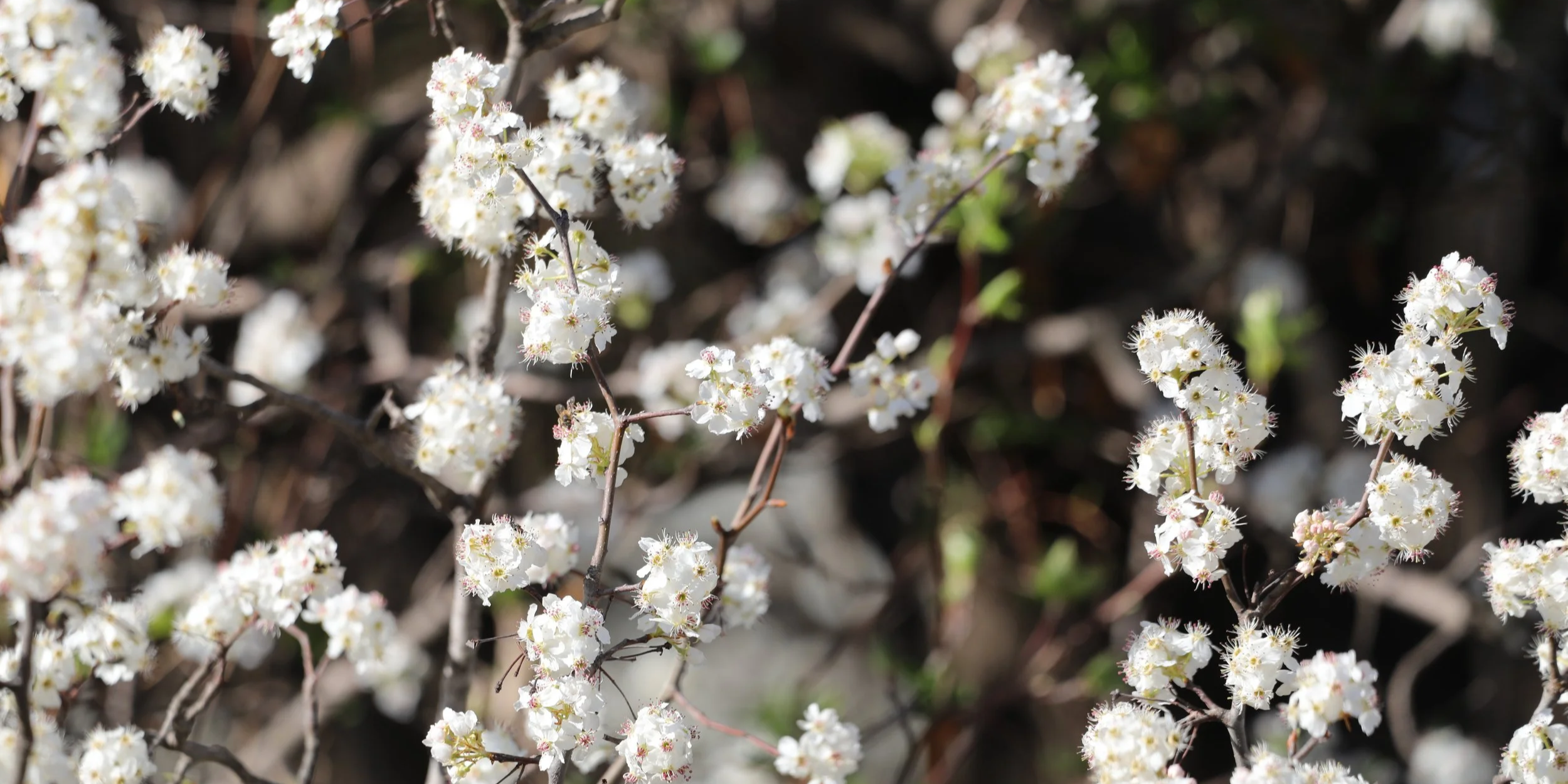
For many years, Callery pear (Pyrus calleryana) and its cultivars (e.g., ‘Bradford’, ‘Cleveland Select’, ‘Aristocrat’, and more) have been widely planted in Kansas. While this tree is valued for its adaptability, consistent spring flowers, fall color, and relative pest resistance, it is not without weaknesses In March, the Bradford pear is one of the most noticeable trees in the landscape. Before most trees have fully leafed out, it erupts in clusters of white flowers that stand out against the duller colors of late winter and early spring. It was originally planted because it grows quickly and produces a striking display of flowers. But despite its attractive appearance, it is now known as an invasive tree in many parts of the United States. It spreads easily into disturbed areas, field edges, and open spaces, where it can crowd out native plants. In that way, the Bradford pear is both a clear marker of early spring and a reminder that not every beautiful tree is beneficial to the environment.
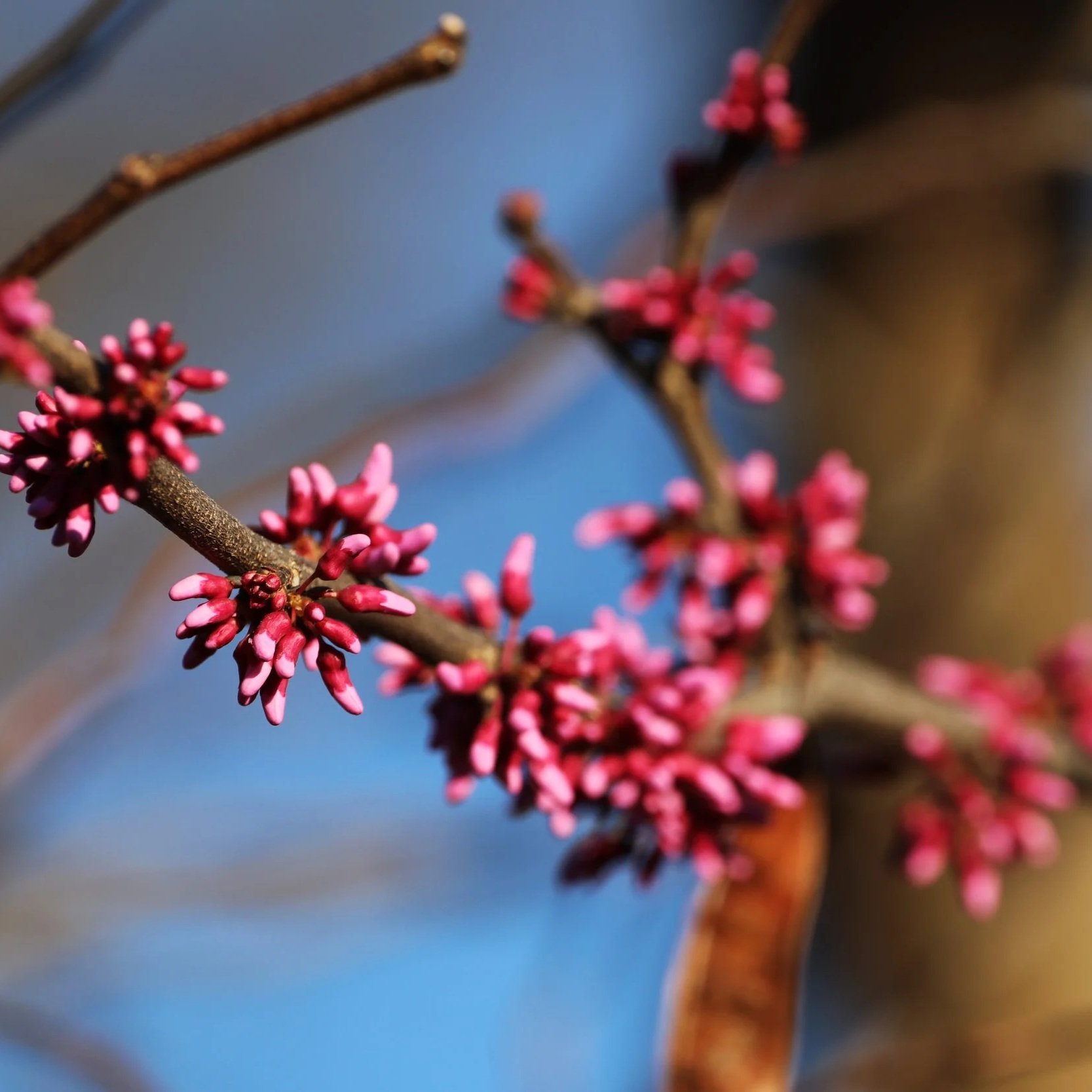
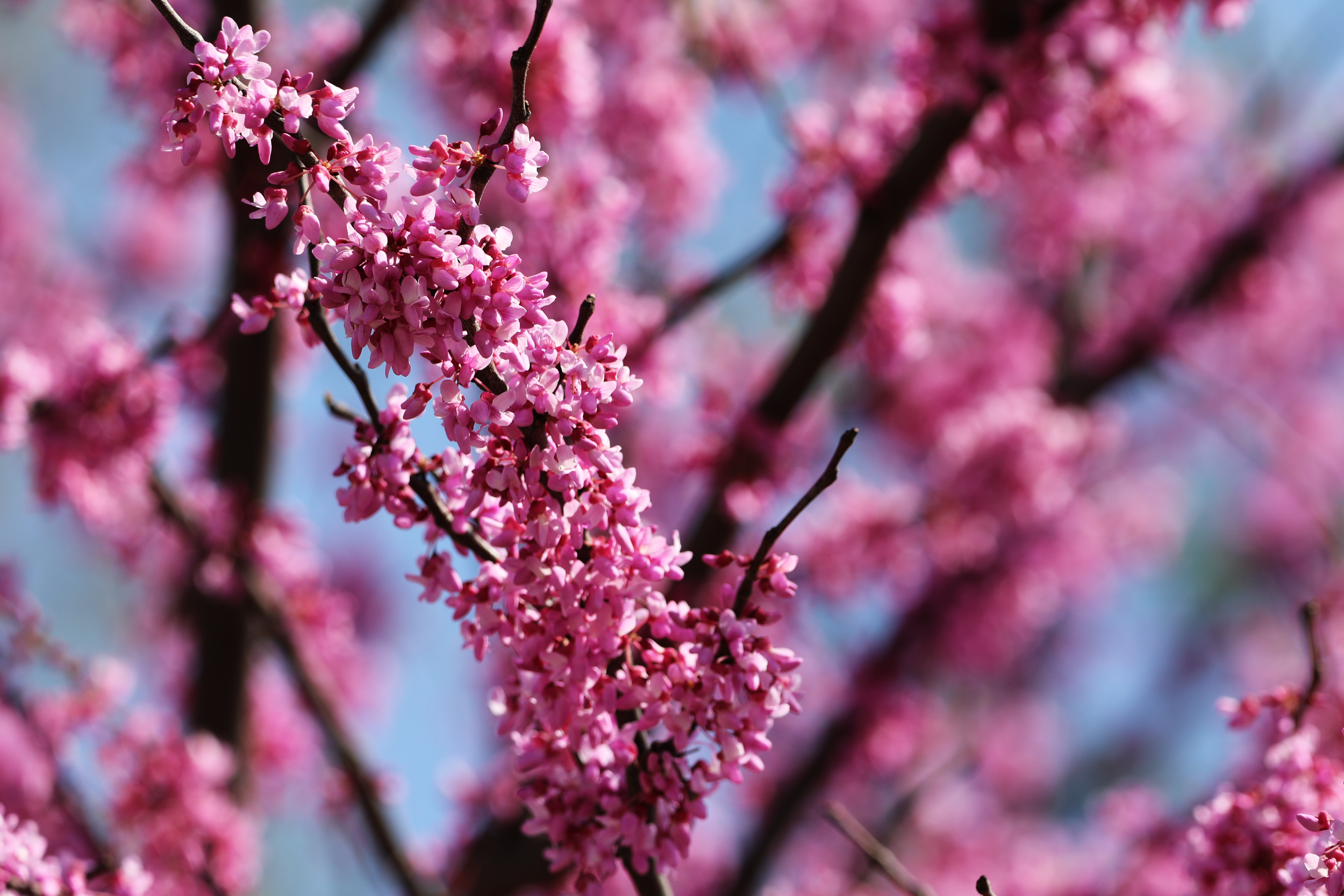
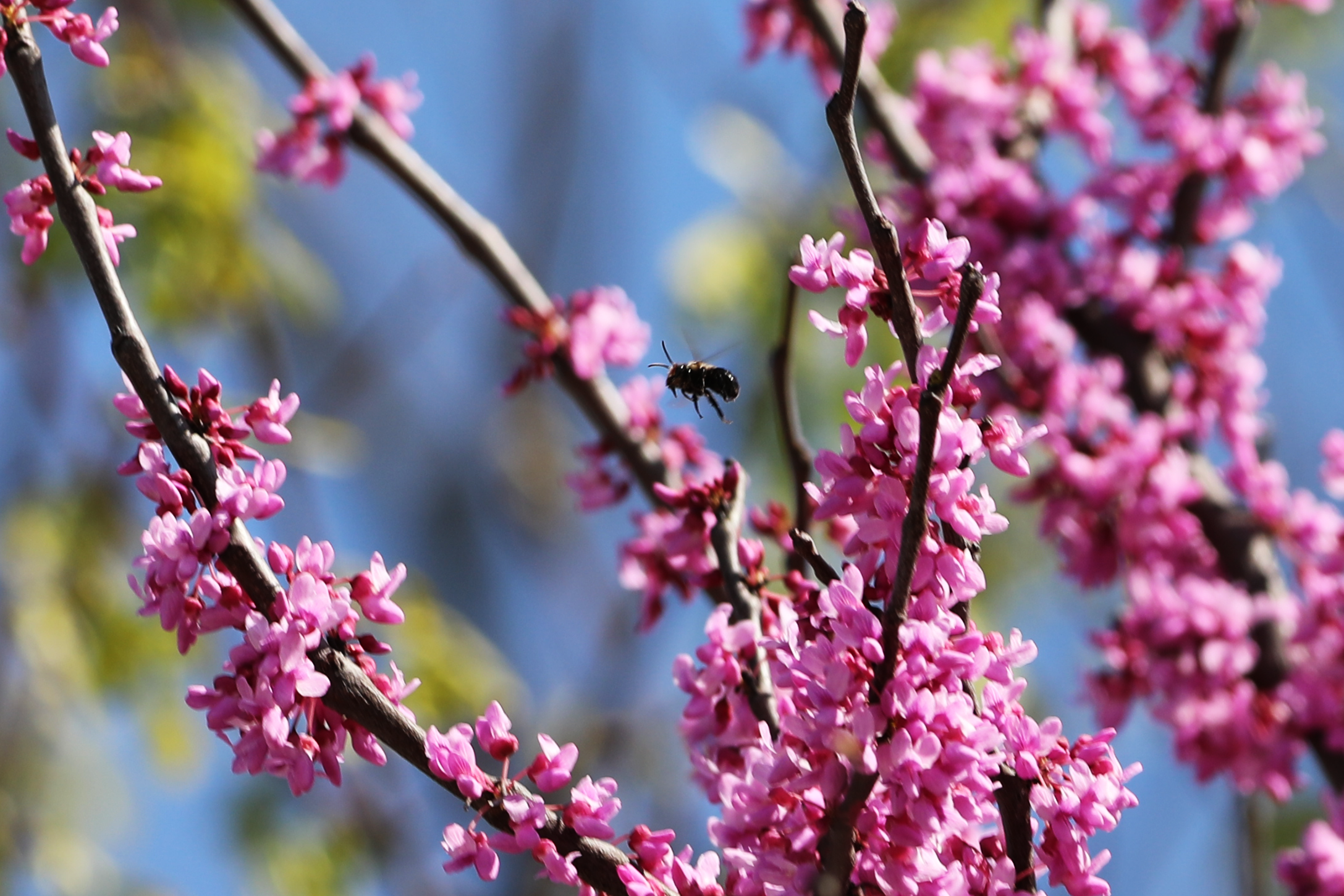
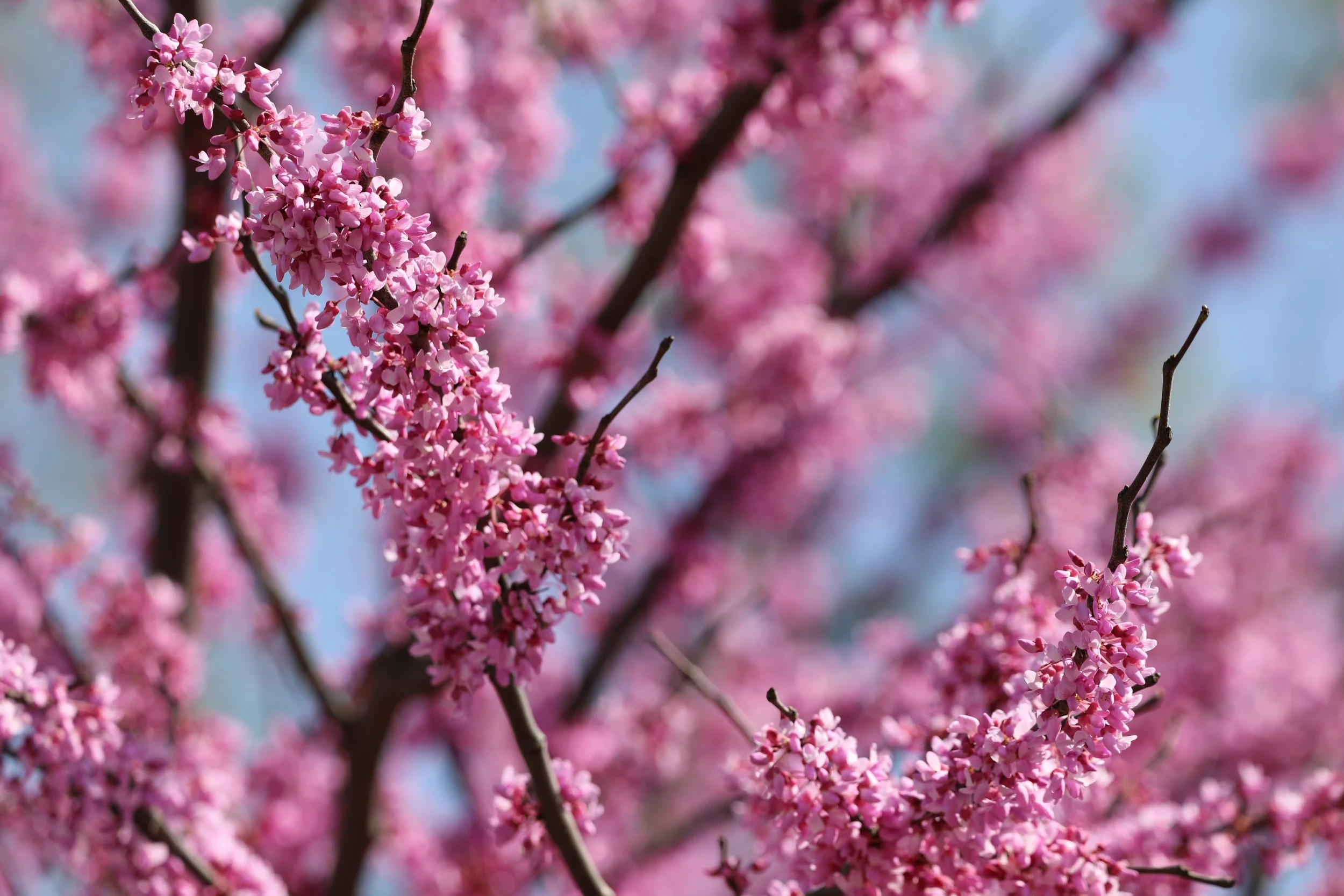
Eastern Redbud
Cercis canadensis
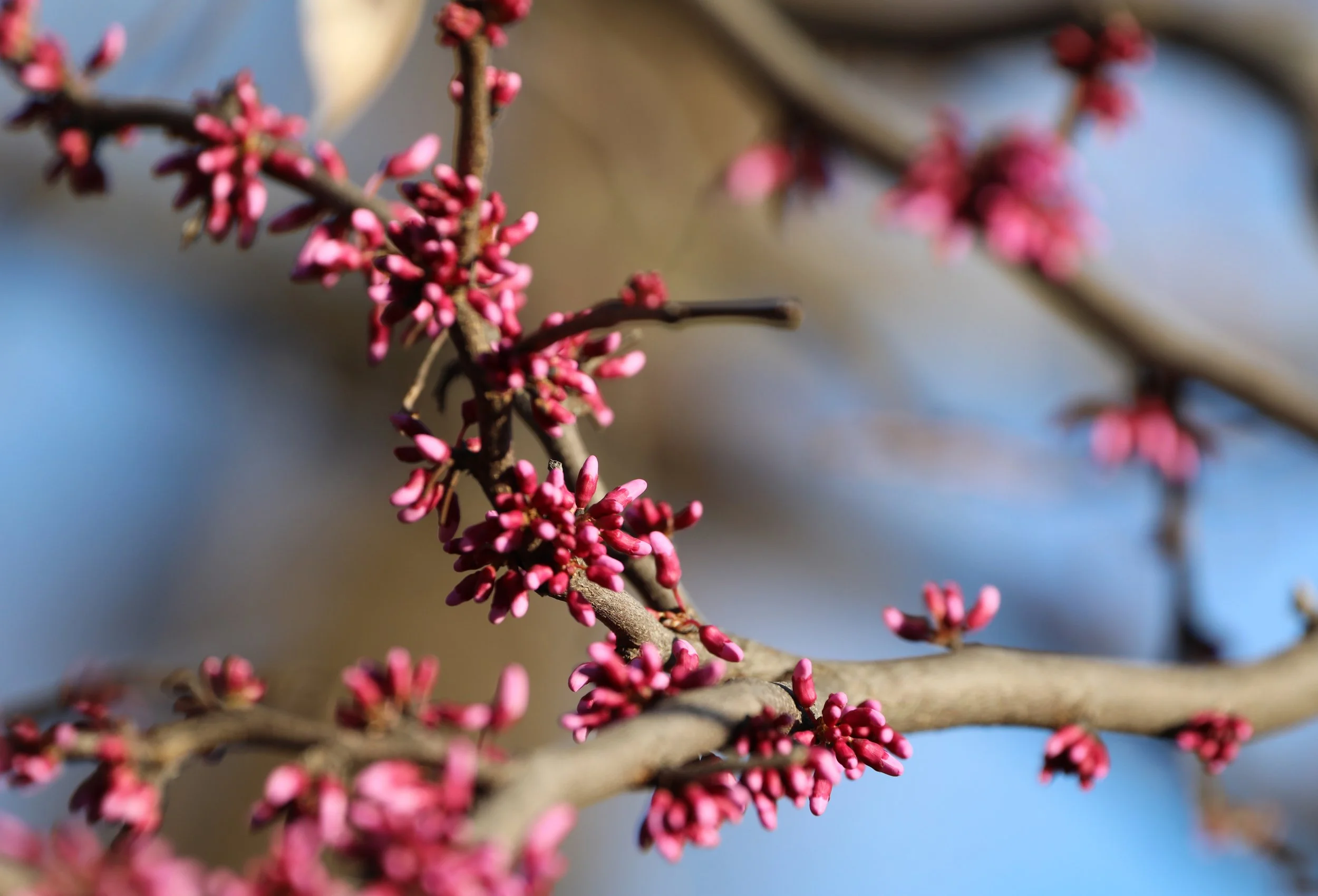
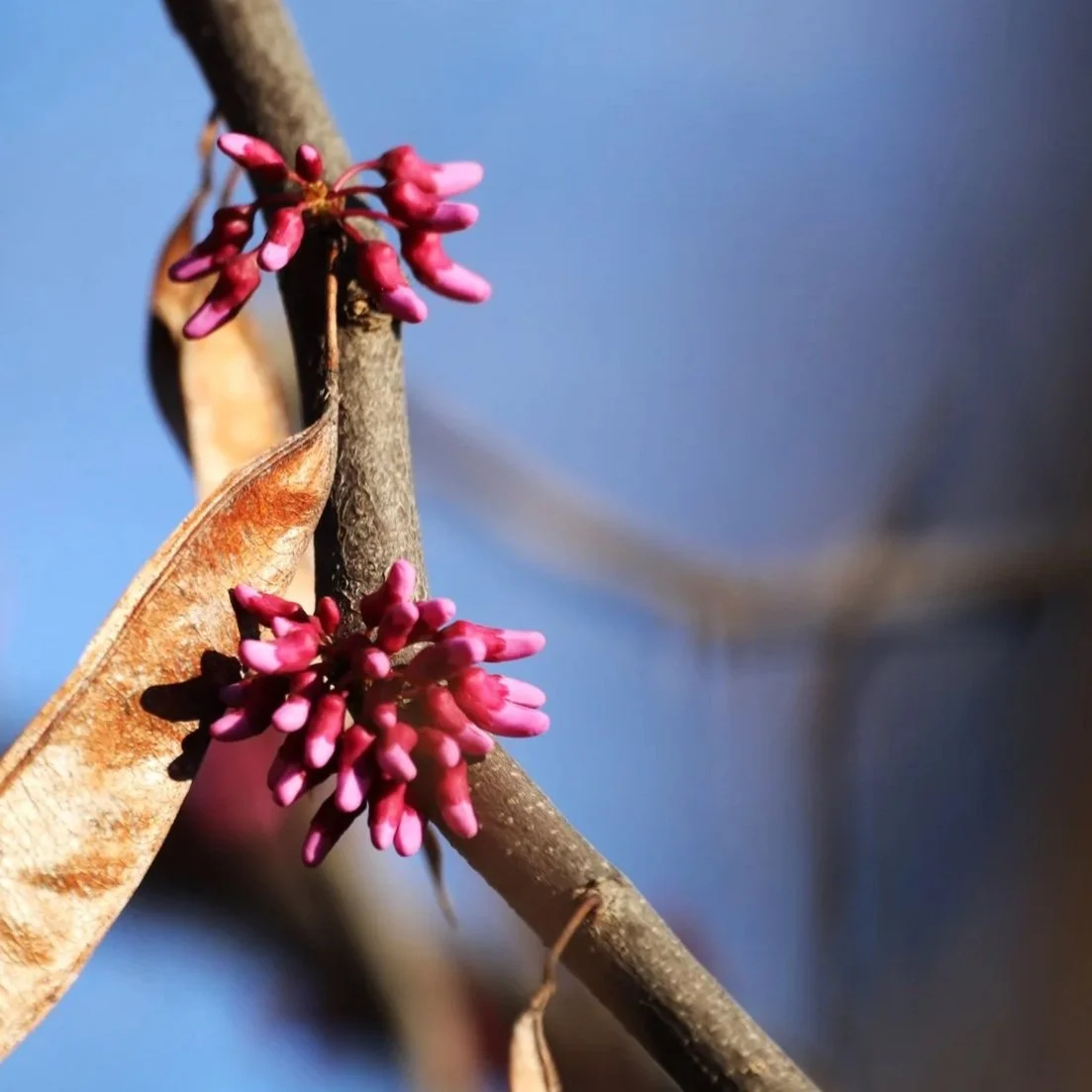
In March, the eastern redbud is one of the first native trees to bring real color back to the landscape. Before the leaves fully emerge, its small pink to magenta flowers bloom directly along the bare branches, giving the tree a soft but unmistakable glow in the early spring woods. You’ll often notice it growing along forest edges, fence lines, roadsides, and in open woodlands, where its color stands out against the gray and brown tones of late winter.
For many people, the eastern redbud is one of the clearest signs that spring has truly arrived. Unlike ornamental trees that were introduced from elsewhere, redbud is a native species with an important place in eastern North American ecosystems. Its early flowers provide nectar for pollinators at a time when few other trees are blooming. In that way, the eastern redbud is not just beautiful—it is part of the natural rhythm of the spring landscape.
Henbit Deadnettle
Lamium amplexicaule
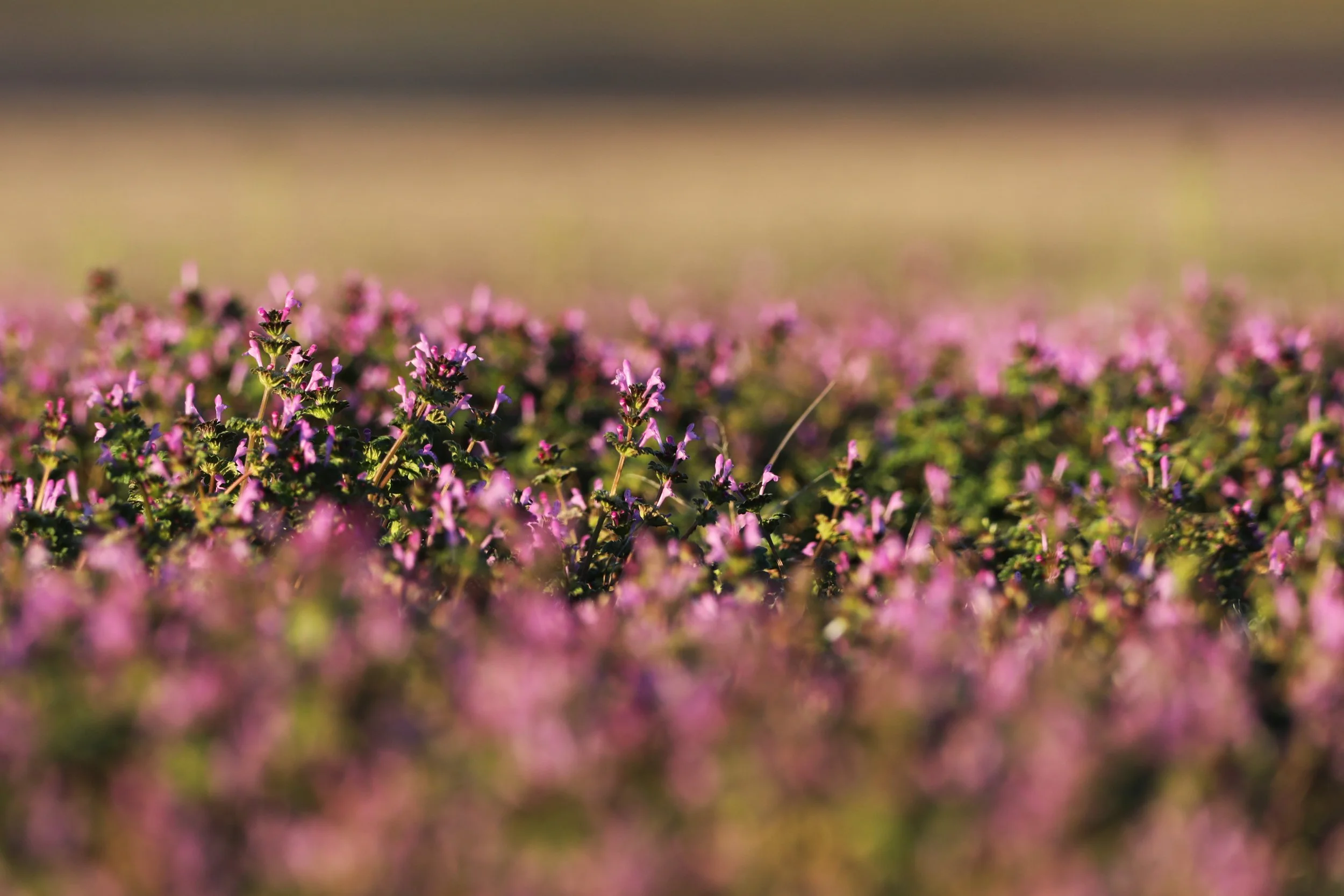
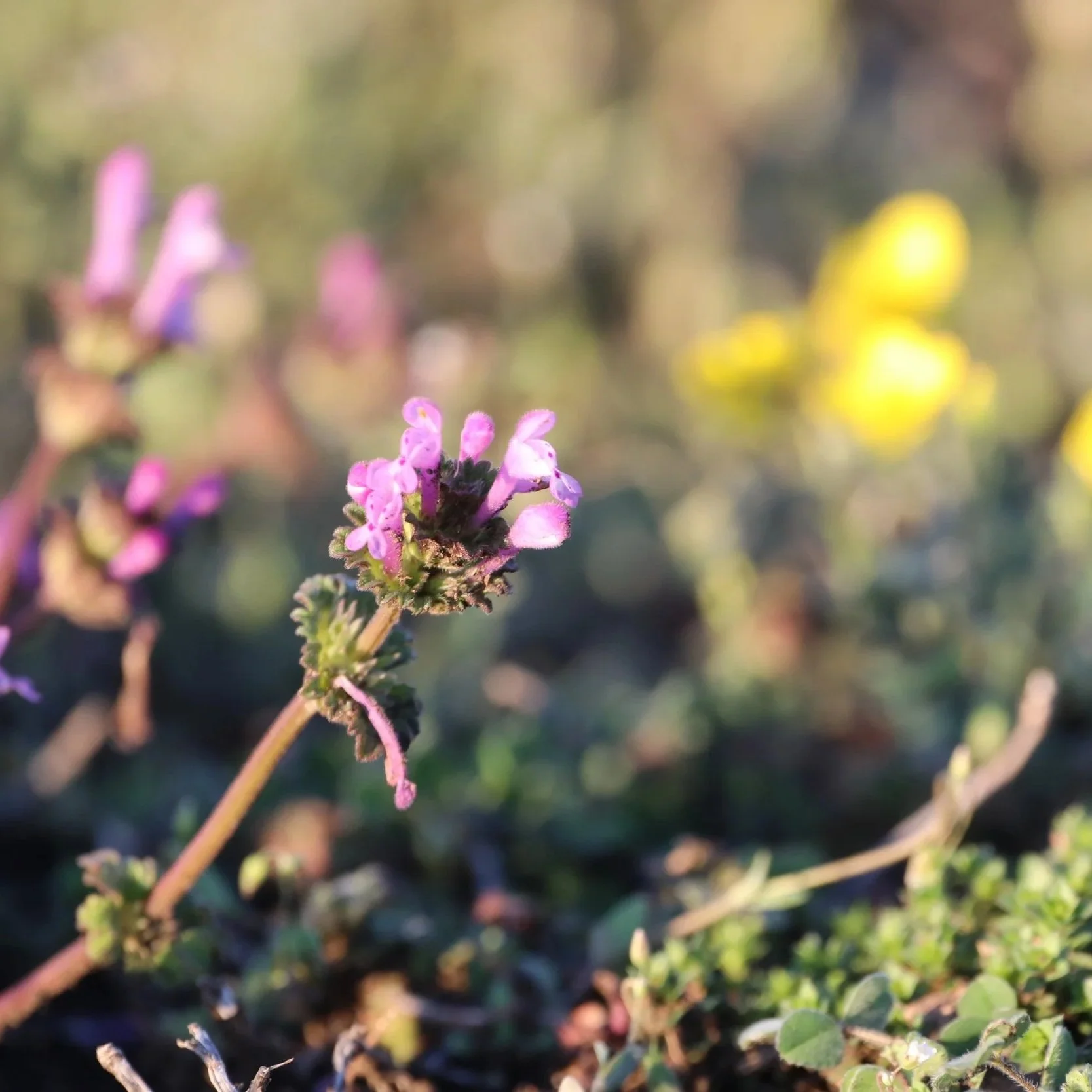
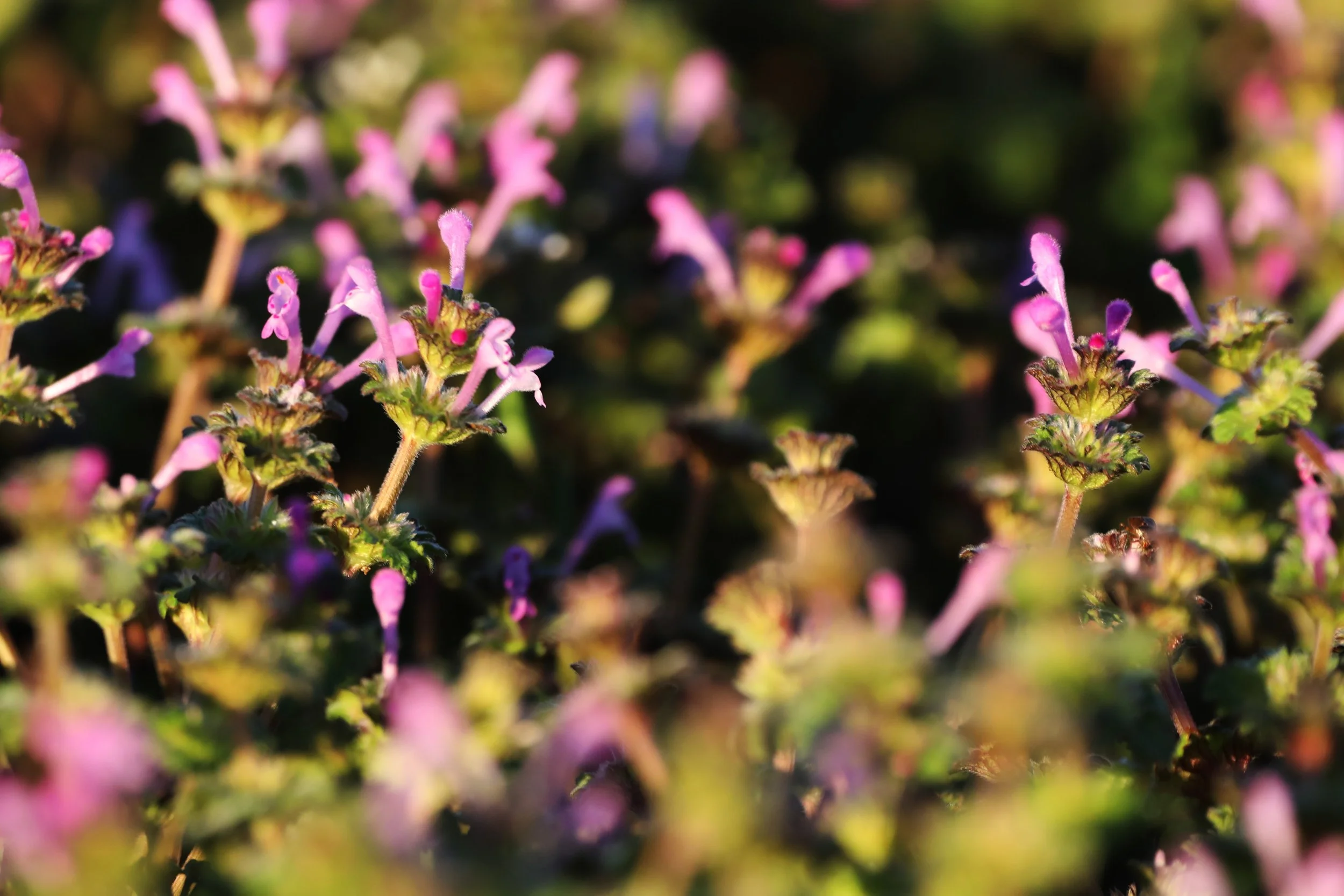
In March, henbit deadnettle is one of the most common and easily overlooked signs of early spring. It often appears in lawns, garden edges, roadsides, ditches, and other disturbed ground, where its low stems and small purple to pink flowers begin to spread across the still-brown landscape. Its rounded, scalloped leaves clasp the stem near the top, and when blooming heavily, patches of henbit can give fields and yards a faint purple cast from a distance.
For many people, henbit is simply part of the early spring ground cover they see without thinking much about it. But it is one of the first flowering plants to provide nectar for insects emerging at the end of winter. Though small and often treated as a weed, it plays a real role in the seasonal shift from winter to spring. In that way, henbit deadnettle is both a common plant of disturbed places and a quiet marker of the changing season.
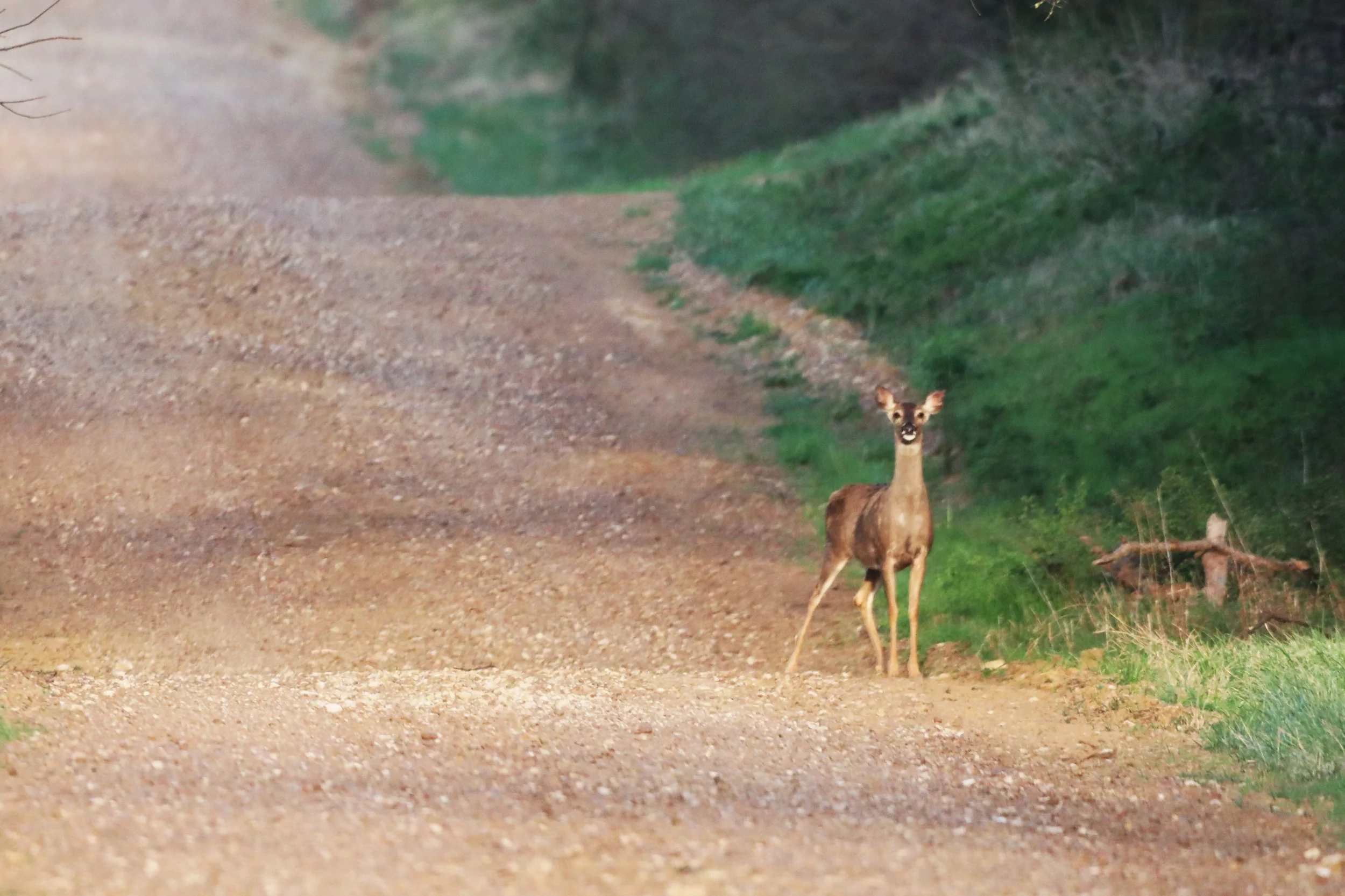
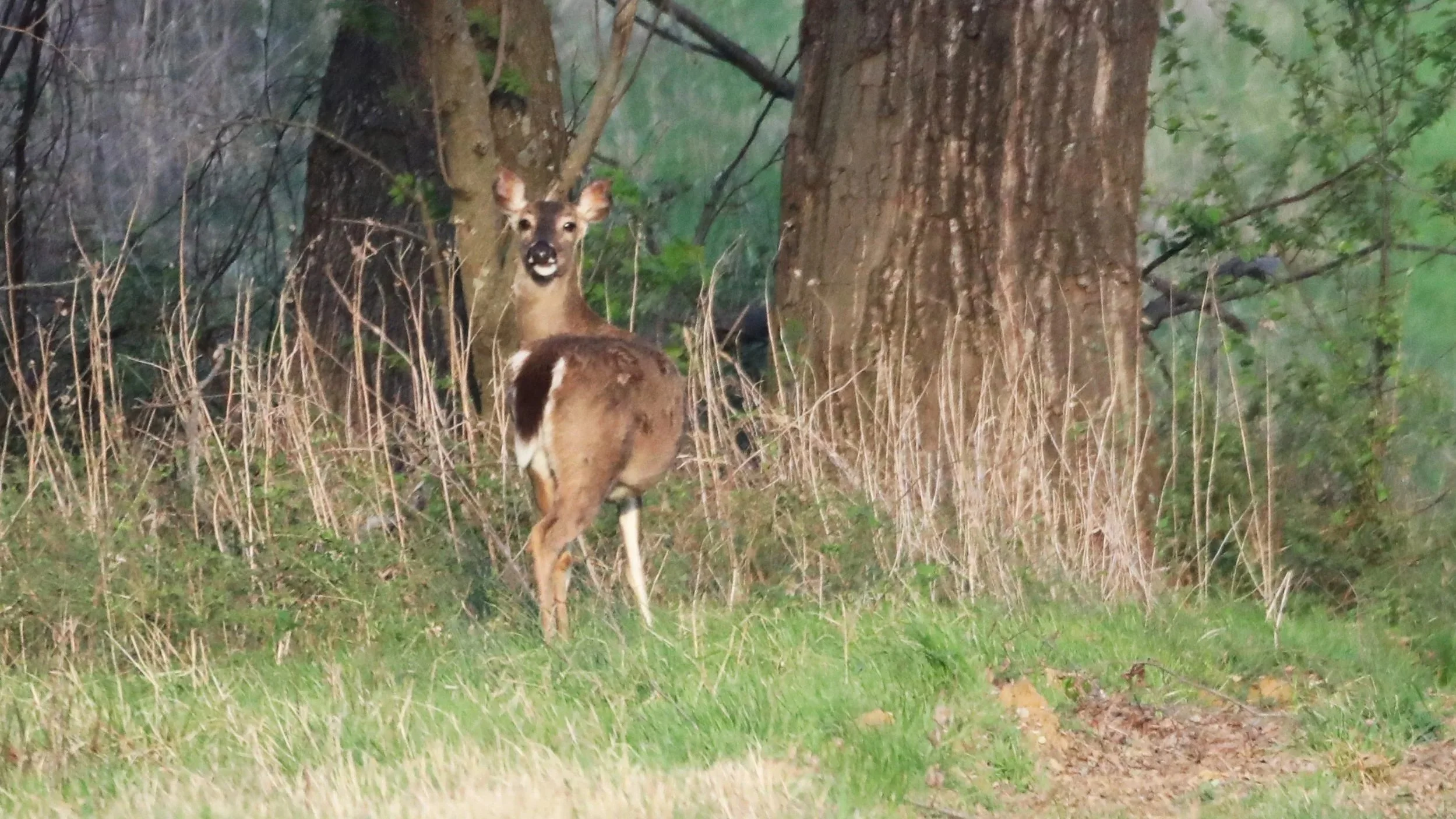
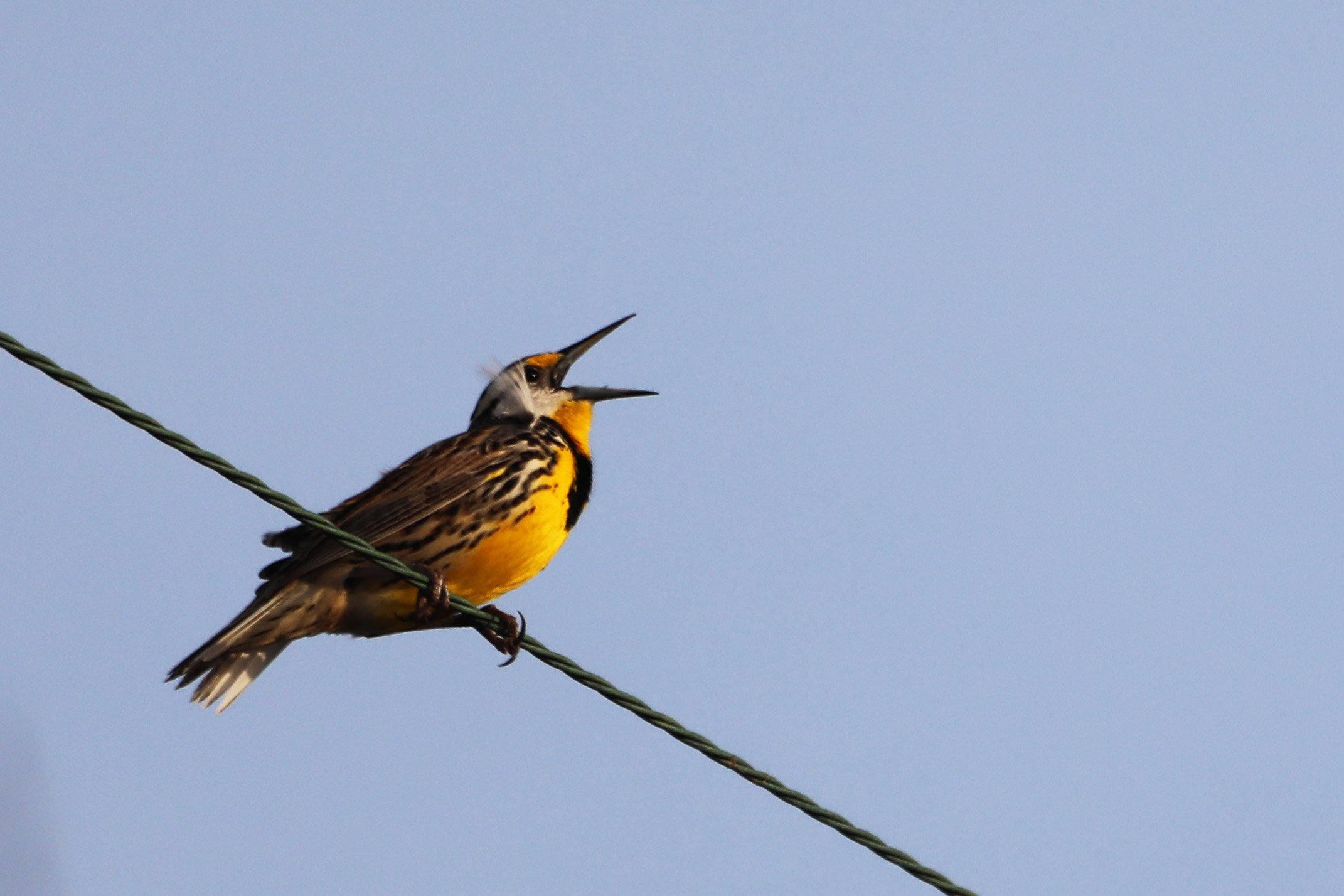
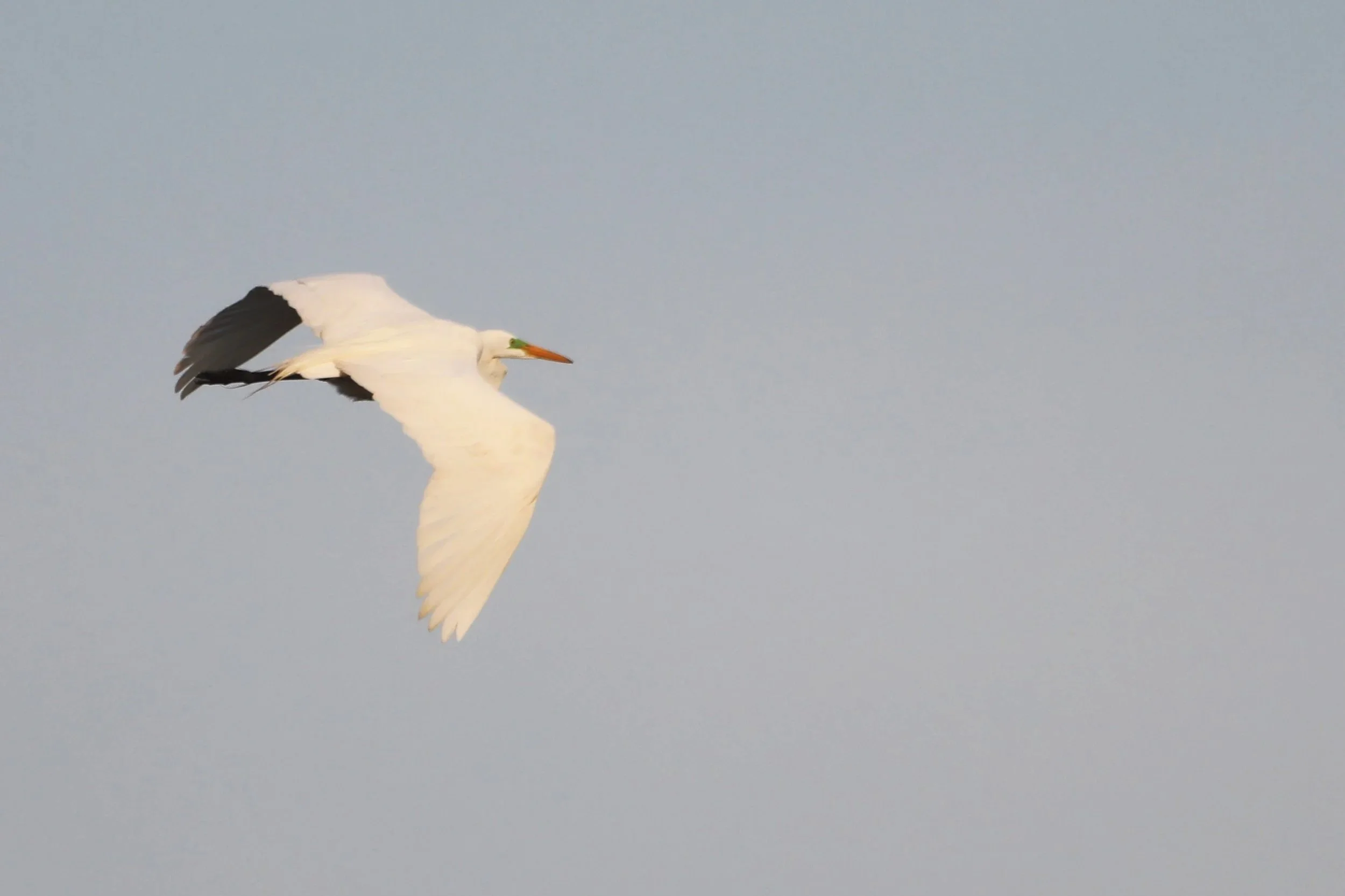
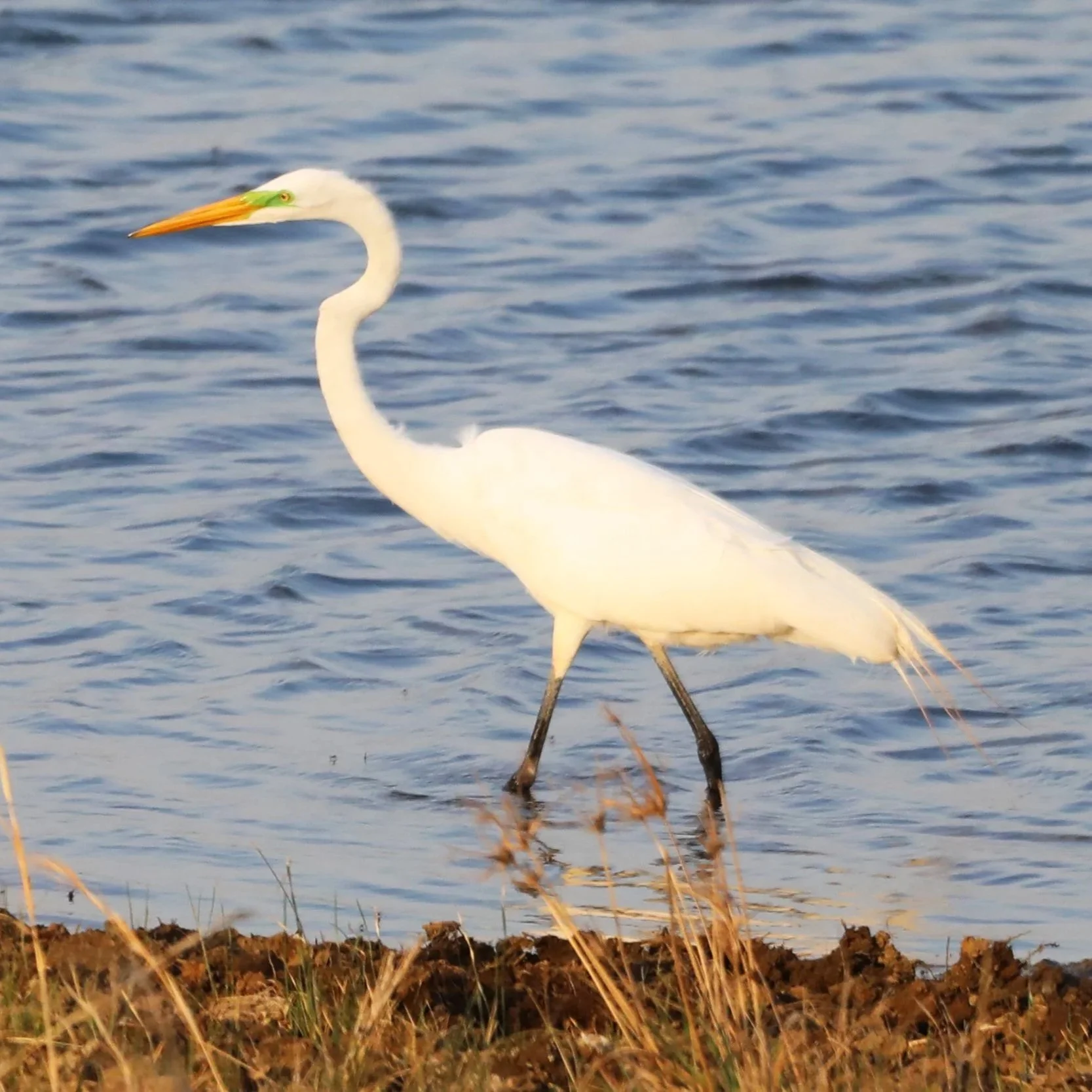
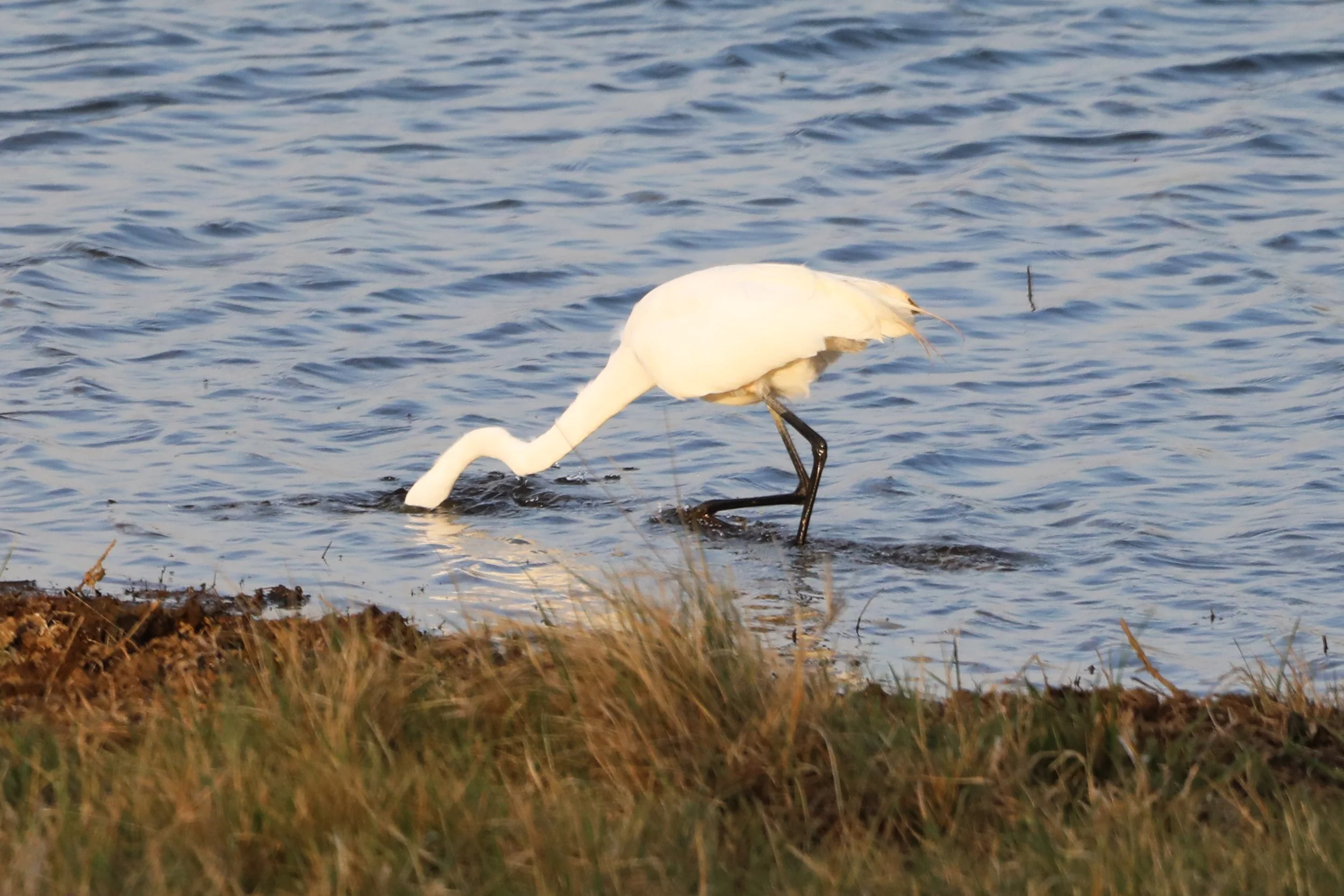
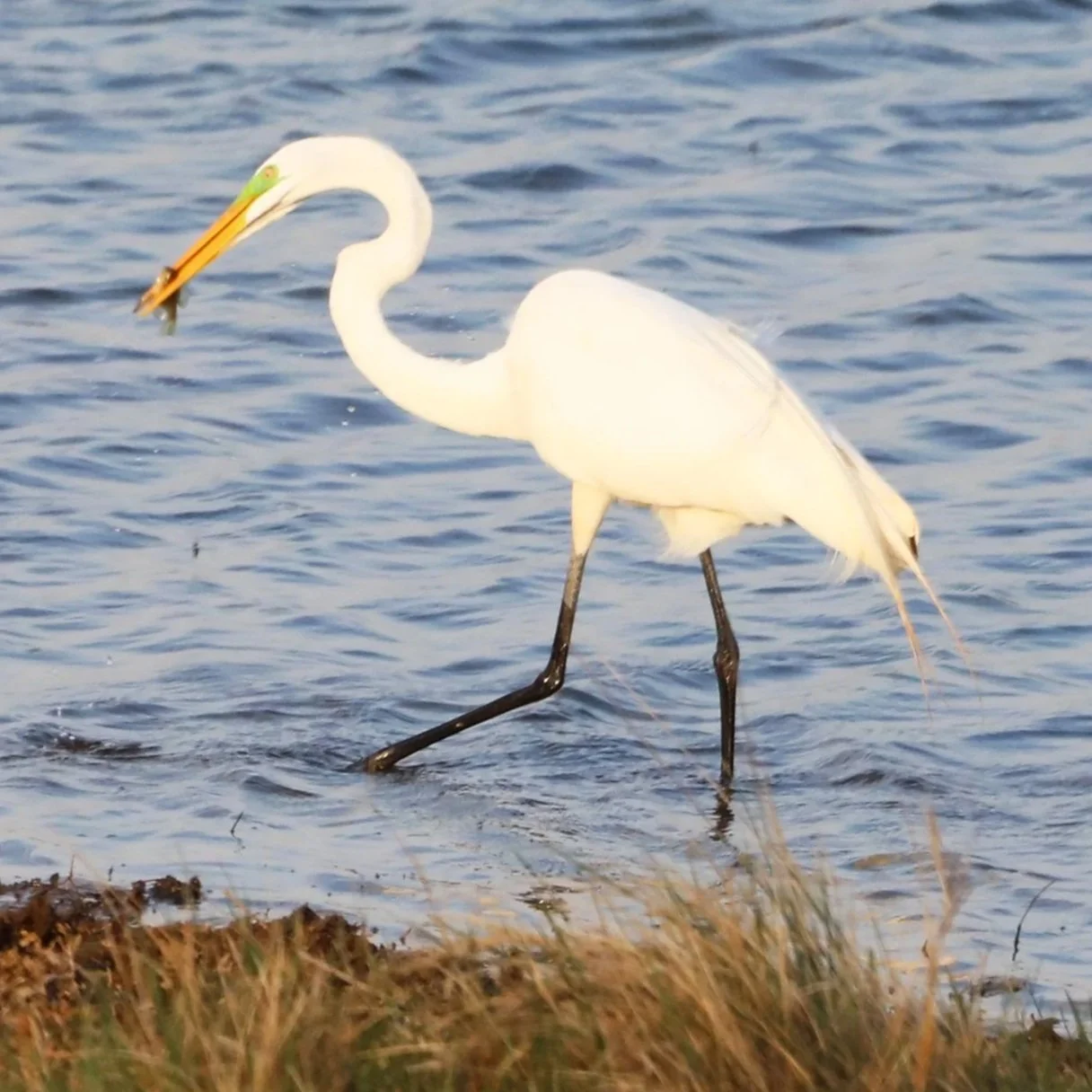
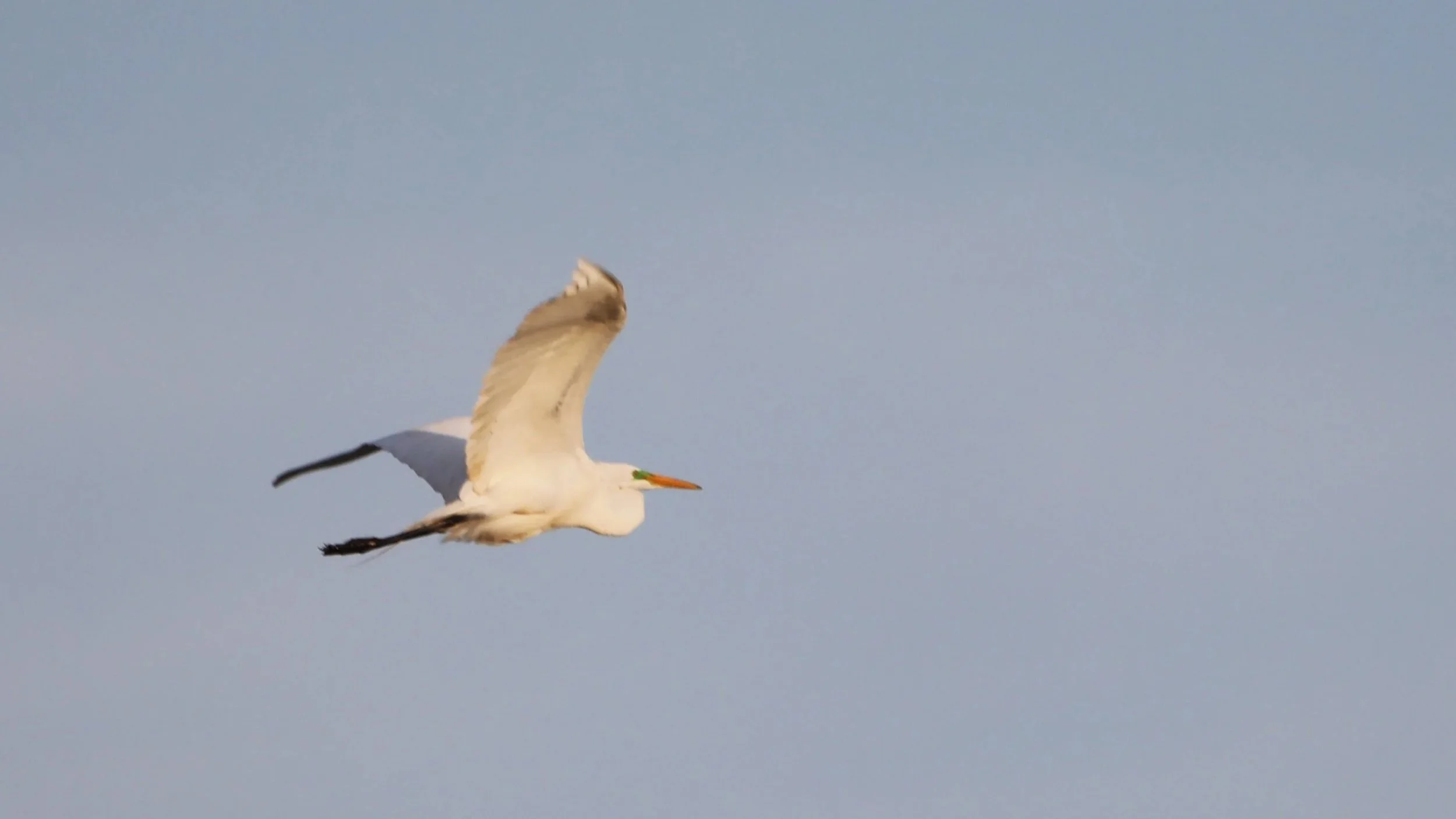
Excited to see the development of my photography skills as I keep this practice consistent. Enjoy the process!